

Travel habits have changed significantly in recent years. Many travelers once focused on visiting as many cities as possible within a short period. Packed itineraries, quick sightseeing stops, and constant transportation between locations were often seen as the ideal travel experience. Today, more people are choosing slower travel styles by spending longer periods in one destination instead of moving constantly between multiple cities. This shift reflects changing priorities connected to comfort, mental well-being, budget management, and deeper cultural experiences. Travelers increasingly value meaningful experiences over rushed schedules. Understanding why longer stays in single destinations are becoming more popular helps explain how modern tourism continues evolving.
Better Local Familiarity
Longer stays often allow visitors to experience local culture more naturally. Short trips sometimes focus mainly on famous attractions without providing much interaction with daily local life. When travelers stay longer in one place, they may discover neighborhood cafés, local markets, community events, and everyday routines that tourists often miss. This deeper connection can make travel feel more personal and meaningful. Modern travelers increasingly value authentic cultural experiences rather than only collecting tourist photos from multiple locations.
Nomad Lifestyles
Remote work has influenced modern travel patterns significantly. Many professionals now combine work responsibilities with travel experiences throughout the year. Staying longer in one destination supports stable routines that make remote work easier to manage. Frequent movement between cities may create internet issues, scheduling problems, and ongoing disruptions during work periods. Longer stays allow remote workers to balance productivity with exploration more comfortably.
A Chance to Mentally Recover
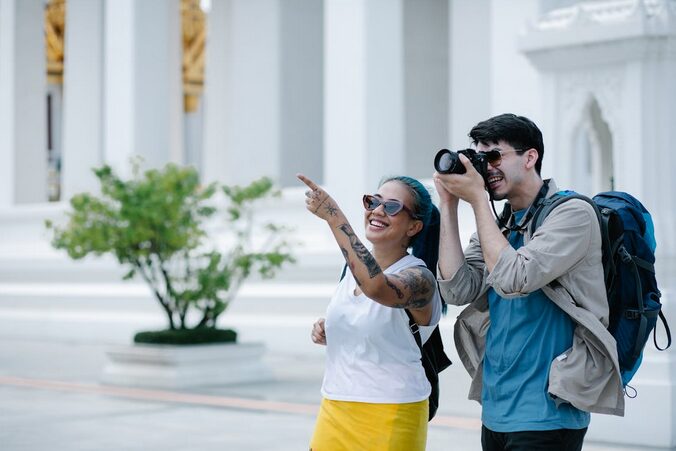
Vacations are increasingly viewed as opportunities for mental recovery instead of highly scheduled tourism experiences. Constant travel movement may sometimes create exhaustion rather than relaxation. Longer stays in one destination often support slower routines, better sleep, and reduced decision fatigue. Travelers may spend more time resting, walking, reading, or enjoying calm surroundings without pressure to maximize every hour of the trip. This slower pace has become attractive for people experiencing stress or burnout in daily life.
Reduced Expenses
Travel expenses can increase quickly when moving constantly between cities. Transportation tickets, baggage fees, and short-term accommodations often cost more than longer stays in one place. Many travelers now recognize that staying longer in a single destination can help reduce overall expenses. Long-term rentals, local transportation passes, and fewer travel bookings may create more affordable experiences. This financial flexibility has become especially important as global travel costs continue increasing.
Sustainable Travel Habits
Environmental awareness has also influenced travel decisions. Frequent flights and transportation between cities contribute to higher environmental impact. Some travelers now prefer staying longer in fewer locations to reduce excessive transportation and support more sustainable tourism habits. Longer stays may also benefit local communities because visitors spend more time supporting local businesses and services. This approach reflects growing awareness about responsible and intentional travel choices.
More travelers are spending longer periods in one destination because modern tourism priorities are shifting toward comfort, cultural connection, flexibility, and mental well-being. Slower travel allows people to reduce stress, manage costs, and experience destinations more deeply. Remote work, environmental awareness, and changing lifestyle values have all contributed to this growing trend. Travelers increasingly prefer meaningful experiences over highly rushed itineraries filled with constant transportation and crowded schedules. As travel habits continue evolving, longer stays in single destinations will likely remain popular among people seeking more balanced and fulfilling travel experiences. Modern travel is becoming less focused on speed and more focused on quality, connection, and personal comfort.
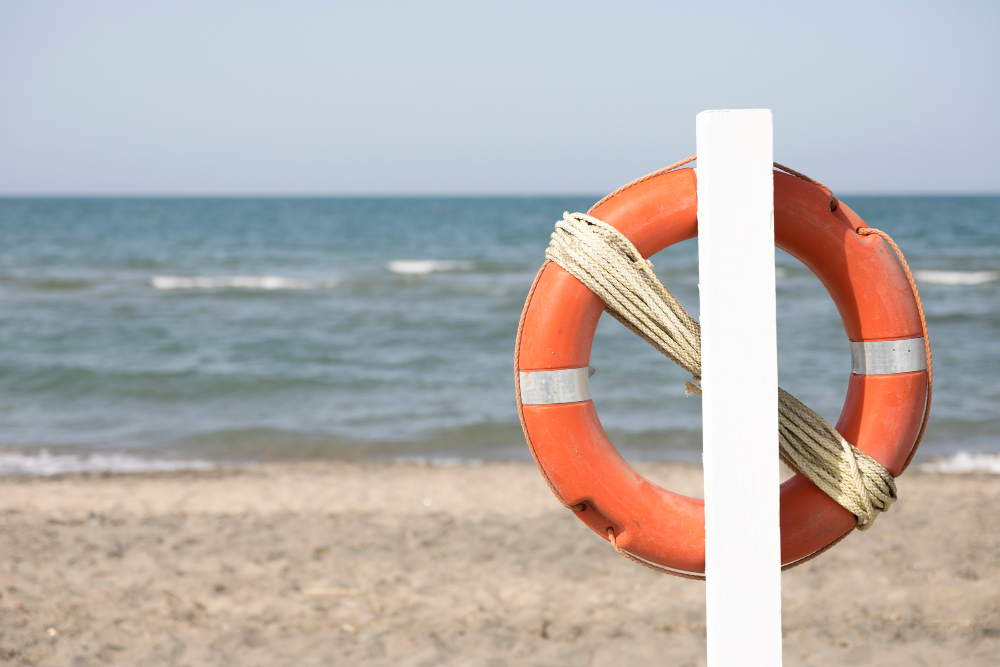
 Cornwall is known for its rugged coastline and picturesque beaches. From the golden sands of Newquay to the dramatic cliffs of St. Ives, Cornwall offers some of the most stunning coastal views in the UK. Training to become a lifeguard in this environment is an experience like no other. The natural beauty of Cornwall’s beaches makes it a fantastic backdrop for your training. Not to mention, the variety of beach conditions means you’ll be prepared for different scenarios. Being on the beach all day, learning vital life-saving techniques, is far from your average classroom setting. The combination of great weather, beautiful surroundings, and professional training makes for a perfect blend of study and relaxation.

 daylight. You will be able to marvel at the views of the incomparable Mediterranean Sea that stretches for over forty miles from Sorrento. The tour will involve visiting picturesque villages and towns along the route including Ravello, Amalfi, Scala, and Positano among other spectacular centers.
 The day trips from Sorrento are full of tour support services including a private transportation carrying a maximum of eighteen people, drinks such as water, coke or beer, snacks such as tomato sandwich, cheese, and vegetables. You will also have a driver at your disposal to guide around as well as an English-speaking assistant to translate and narrate the history of the area.
 Nothing is disappointing like being arrested and deported from a foreign country because your travel documents have a problem. Unfortunately, most people either did not get a vaccination, do not qualify for a visa or extends their visa stay. With all documents valid, one will be sure to enjoy their holiday from the beginning to the end. Therefore, avoid extending the stay without extension authorization or acquiring the relevant, valid documents.
 Fishing – it has always been one of the best ways to enjoy a holiday. You can do deep sea fishing using reputable fishing companies.