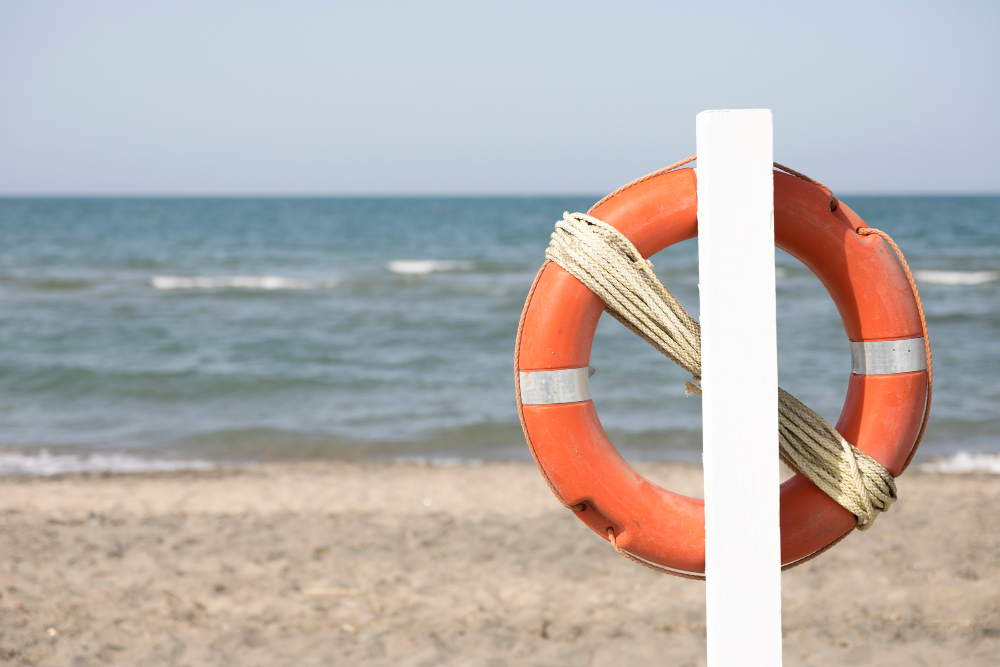
If you’re looking to combine your love for the beach with a life-saving qualification, there’s no better place than Cornwall. With its stunning coastline, world-class beaches, and expert instructors, it’s the ideal destination for a lifeguard training holiday. Not only does it offer fantastic lifeguard training in Newquay, but it also provides the perfect environment for enjoying a holiday while gaining an important qualification.
A Beautiful Coastal Setting for Training
 Cornwall is known for its rugged coastline and picturesque beaches. From the golden sands of Newquay to the dramatic cliffs of St. Ives, Cornwall offers some of the most stunning coastal views in the UK. Training to become a lifeguard in this environment is an experience like no other. The natural beauty of Cornwall’s beaches makes it a fantastic backdrop for your training. Not to mention, the variety of beach conditions means you’ll be prepared for different scenarios. Being on the beach all day, learning vital life-saving techniques, is far from your average classroom setting. The combination of great weather, beautiful surroundings, and professional training makes for a perfect blend of study and relaxation.
Expert Training for Lifeguards
One of the most compelling reasons to choose Cornwall for your lifeguard training holiday is the access to top-tier instructors and lifeguard training programs. In Newquay, you’ll find experienced professionals who know the ins and outs of beach safety and are dedicated to teaching you all the necessary skills. Lifeguard training in Newquay is comprehensive, offering practical training as well as theoretical knowledge. The training courses ensure you leave with the confidence and expertise needed to handle any situation, from water rescues to administering first aid. You’ll benefit from high-quality resources, experienced staff, and hands-on training in a real-world setting, all in one of the UK’s most popular seaside towns.
Perfect Balance of Training and Leisure
Taking a holiday while earning a qualification may sound like a dream, but it’s entirely possible in Cornwall. After your lifeguard training sessions, you can unwind and explore the local area. Cornwall is a hub for surfing, swimming, and other beach activities. During your downtime, you can relax on the beach, enjoy the local seafood, or take a scenic coastal walk. The relaxed pace of life in Cornwall allows you to recharge and refresh between your lessons. Whether you’re exploring charming seaside villages or enjoying the lively atmosphere of Newquay, the region has plenty to offer to make your stay enjoyable and memorable. You can truly balance both training and vacation in Cornwall, making it the perfect destination for your lifeguard qualification.
A Lifeguard Qualification You Can Be Proud Of
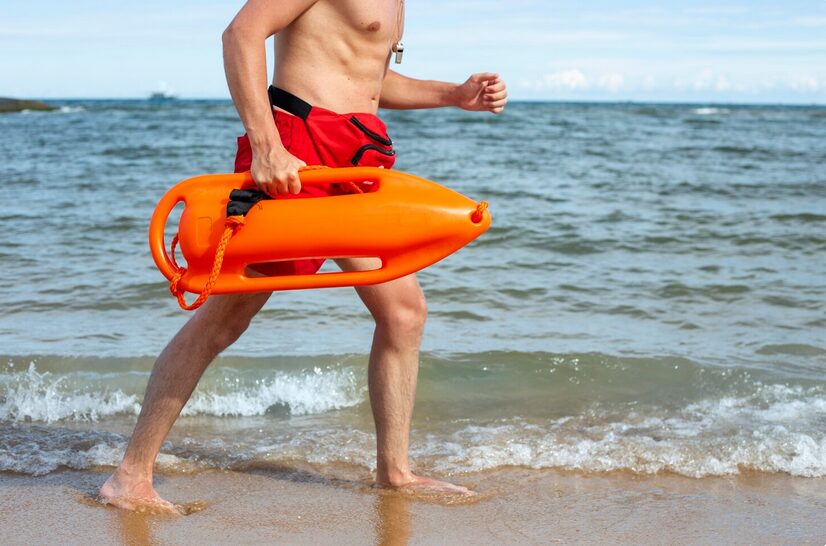
Completing your lifeguard training in Cornwall means that you’ll not only gain a valuable qualification but also be able to say you trained in one of the UK’s most beautiful locations. Whether you’re hoping to work on a beach in Cornwall or anywhere else, the skills you gain will serve you for a lifetime. A lifeguard qualification is a respected credential that shows potential employers your dedication, professionalism, and ability to stay calm under pressure. After finishing your training, you’ll have the confidence to handle emergency situations, save lives, and make the most of your time spent by the ocean.




 One of the most essential safety tips for South African travel is to know which areas to avoid. While the country has a lot to offer, some areas are best avoided, especially if you’re a tourist.
 You can do many different adventure activities in South Africa, from safaris to bungee jumping. While these can all be great experiences, it’s essential to make sure you pick a reputable company. Do some research ahead of time and read reviews. Suppose something sounds too good to be true or is significantly cheaper than other options.