

Mountain hunting, often referred to as “high-country hunting,” is an exhilarating and physically demanding pursuit that takes hunters into some of the world’s most rugged and remote landscapes. The allure of chasing game in the mountains lies not only in the challenge but also in the breathtaking scenery and the opportunity to harvest elusive species. Some hunters use recurve bows, compound bows, or muzzleloaders to make the adventure even more challenging. Others prefer rifles for their long-range capabilities and accuracy. In this article, we’ll explore the world of mountain hunting, the unique challenges it presents, and the rewards it offers to adventurous hunters.
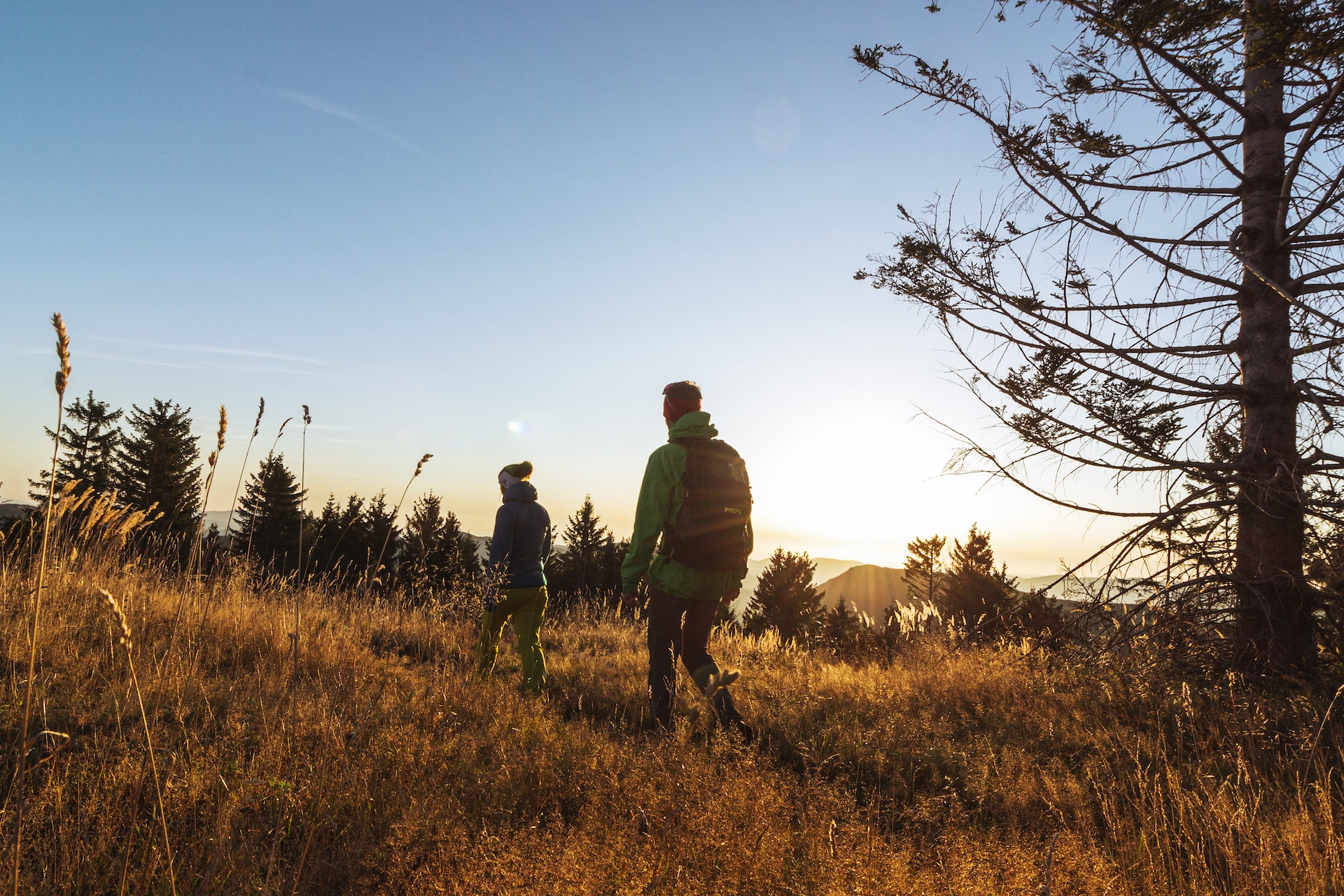
The Call of the Mountains
Mountain hunting is an age-old tradition deeply rooted in the hunting culture. Whether you’re pursuing bighorn sheep in the Rocky Mountains, ibex in the Caucasus, or chamois in the Alps, mountain hunts offer a unique set of challenges that set them apart from other forms of hunting. Here are some key aspects of mountain hunting:
- Physical Demands: Perhaps the most defining characteristic of mountain hunting is the physical rigor it demands. Hunters must be in excellent shape, as they often traverse steep and treacherous terrain, climbing thousands of feet in elevation.
- Altitude and Weather: High-altitude hunting can pose risks such as altitude sickness, and hunters must be prepared for rapidly changing weather conditions, including extreme cold and storms.
- Spot-and-Stalk Tactics: Mountain hunting often involves spot-and-stalk tactics, requiring hunters to glass for the game from vantage points and then close the distance on foot.
- Remote Locations: Mountain hunts frequently take place in remote areas far from civilization. This isolation adds to the adventure but also requires careful planning and self-sufficiency.
- Adaptation to the Terrain: To be successful, hunters must adapt to the unique behaviors and habitat preferences of mountain game species. Understanding the game’s movements and habits is crucial.
The Rewards of Mountain Hunting
While mountain hunting presents substantial challenges, it also offers a range of rewards that keep hunters coming back for more:
- Incredible Scenery: The breathtaking vistas and rugged landscapes of the mountains provide a backdrop for unforgettable hunting experiences. The beauty of the mountains alone is worth the journey.
- Hunting Unique Species: Many mountain hunts target species that are adapted to high-altitude environments and are found nowhere else. These species, like bighorn sheep or Himalayan tahr, are highly coveted by hunters.
- Test of Skill and Endurance: Mountain hunting pushes hunters to their physical and mental limits, testing their skills, resolve, and adaptability.
- Low Hunting Pressure: Remote mountain locations often have lower hunting pressure, increasing the chances of encountering mature game.
- Conservation: Responsible mountain hunting contributes to conservation efforts by providing funding for habitat protection, anti-poaching programs, and wildlife management.
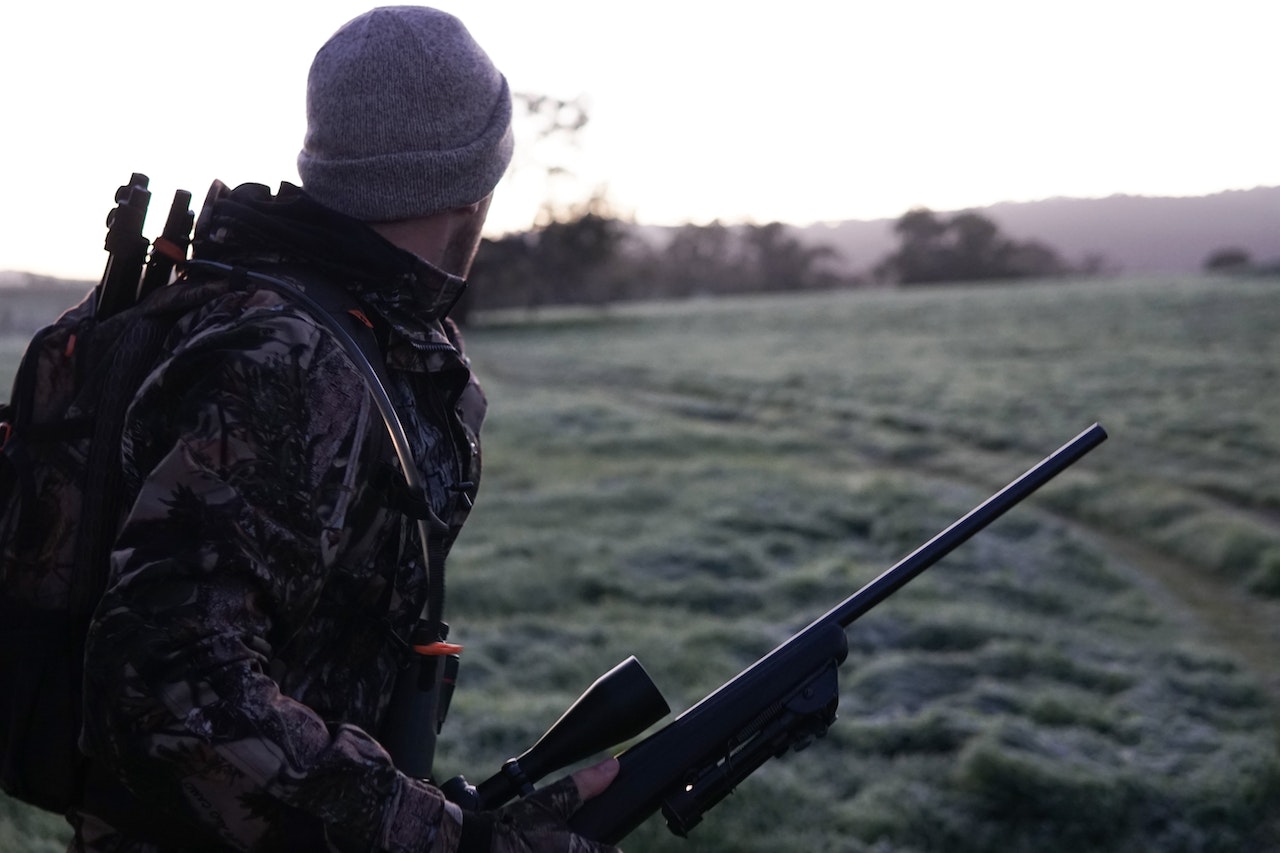
Safety and Preparation
Mountain hunting is an inherently risky activity, and proper preparation is crucial for a safe and successful hunt. Here are some important considerations:
- Physical Fitness: Hunters must be in excellent physical shape to tackle the challenges of mountain hunts. A training regimen should include cardiovascular exercises, strength training, and endurance work.
- Acclimatization: High-altitude hunting can pose health risks, so hunters must take the time to acclimate to the altitude. Planning for extra days in base camp or a gradual ascent can help prevent altitude sickness.
- Adequate Gear: Proper gear is essential for staying comfortable and safe in mountain environments. This includes high-quality hiking boots, layers of clothing, rain gear, and cold-weather gear.
- Navigation and Communication: Mountain hunts can quickly become disorienting, so it’s essential to have proper navigation tools and a reliable means of communication in case of emergencies.
- Hiring a Guide: For inexperienced or unfamiliar hunters, hiring a guide familiar with the terrain and game behavior can greatly increase safety and success rates.
In Conclusion
Mountain hunting is not for the faint of heart, but for those who are up to the challenge, it offers some of the most rewarding and unforgettable hunting experiences. The mountains beckon, and the call of the wild echoes through the valleys, inviting intrepid hunters to pursue their passion in some of the world’s most awe-inspiring landscapes.








 Trains can be utilized by anyone who wishes to get to their destination without having to drive or get stuck in traffic. Many people who are also on their holidays prefer to use trains as they provide more space for bags and also allow passengers to view great sceneries.