CAH News Network Travel Interesting Facts to Know Before Visiting the Grand Canyon

Interesting Facts to Know Before Visiting the Grand Canyon

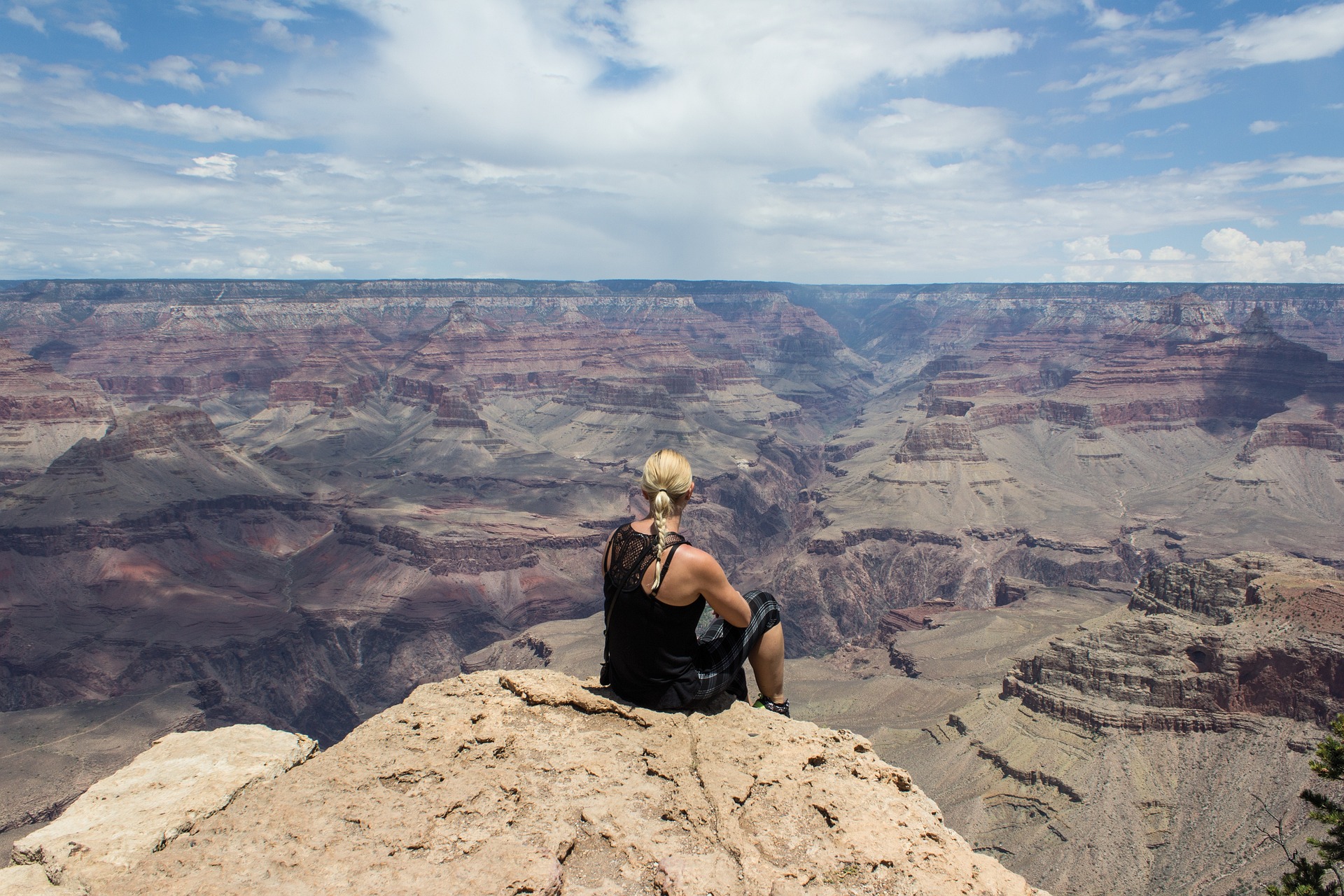
Are you planning a trip to the Grand Canyon? Whether it’s your first time or tenth, there are always new and exciting things to discover about this natural wonder. Before you pack your bags and hit the road, take a moment to read through these interesting facts that will give you a deeper appreciation for the sheer magnitude and complexity of this geological masterpiece. If it’s your first time going there, consider checking the grand canyon tours from las vegas. Here, we will talk about the interesting facts about the Grand Canyon.

Grand Canyon Has Numerous Hidden Caves
cave The Grand Canyon is mostly known for its breathtaking views and awe-inspiring landscapes, but did you know it’s also home to numerous hidden caves? These underground caverns are scattered throughout the canyon, tucked away in remote corners and waiting to be discovered. Many of these caves were formed millions of years ago by the same geological forces that created the Grand Canyon itself. Over time, water and wind eroded the soft rock formations, leaving behind a network of tunnels and chambers beneath the surface. While some of these caves are easily accessible to hikers and explorers, others require specialized equipment or advanced skills to navigate safely. Some even contain ancient artifacts left behind by early human inhabitants or evidence of prehistoric animals that once roamed the region.

Grand Canyon Temperatures Vary in Different Rims

mountainAn interesting fact about the Grand Canyon is that temperatures can vary greatly depending on which rim you are visiting. The South Rim, which is more accessible and receives more visitors, has a milder climate throughout the year, with average temperatures ranging from 20-60 degrees Fahrenheit in winter and 60-80 degrees Fahrenheit in summer. On the other hand, the North Rim experiences colder temperatures due to its higher elevation of over 8,000 feet above sea level. Its average temperature during winter ranges from -5 to 25 degrees Fahrenheit, while in summer, it ranges from 50-75 degrees Fahrenheit. If you plan on hiking or camping within the park, it’s essential to check weather conditions for your specific location, as they can change rapidly. Packing accordingly with warm clothing layers and plenty of water regardless of which rim you visit is also important.

Grand Canyon Was Carved Millions of Years Ago
rockThe Grand Canyon is known to be one of the most beautiful and inspiring natural wonders in the world. But did you know that it was carved millions of years ago? Yes, you read that right! The Grand Canyon has been around for a very long time. It all started around 6 million years ago when the Colorado River began to carve its way through rock layers. Over time, this slow but steady process created what we now know as the Grand Canyon. But how exactly did this happen? It’s all thanks to something called erosion. Erosion happens when wind, water, or ice wear away at the earth’s surface over time. In the case of the Grand Canyon, it was mostly water doing the work.

The Grand Canyon is truly a remarkable natural wonder that continues to capture the hearts and imaginations of millions of people worldwide. With its hidden caves, rich history, diverse wildlife, and breathtaking views, it’s no wonder why this geological masterpiece remains one of America’s most iconic attractions. Most importantly, don’t forget to take time to stand in awe and appreciate the beauty before you simply. Whether it’s hiking along one of its many trails or simply taking in panoramic views from an observation point with loved ones by your side – allow yourself to be fully immersed in the magic that is the Grand Canyon.

Related Post

consultant

Beware of Scam Agents: Questions to Ask Any Immigration Consultant in Singapore Before TravelingBeware of Scam Agents: Questions to Ask Any Immigration Consultant in Singapore Before Traveling

Traveling to Singapore is exciting. New food, new skyline, new chapter. But before you pack your bags, you need the right guidance. Many applicants start by searching for the best immigration consultants in Singapore. That’s a smart move, because the wrong agent can cost you time, money, and sanity. Immigration is serious business. Paperwork must be accurate. Claims must be honest. Promises must be realistic. If an agent sounds too smooth, pause. Ask questio

best immigration consultants in Singapore

ns. Real professionals welcome them. Here are the ones that matter. Read on so you won’t get scammed.

Are You Registered and Experienced With Singapore Immigration Cases?

First things first. Ask about credentials. A legitimate consultant should clearly explain their registration status and professional background. Experience counts. Singapore’s immigration process has strict criteria. Someone who has handled many cases will understand common pitfalls. Ask how long they have been assisting applicants. Request examples of past approvals similar to your profile. Specific answers show competence. If responses feel vague or defensive, that’s a red flag. Professionals speak confidently about their track record. Transparency builds trust. Silence breeds doubt.

What Is Your Assessment of My Eligibility?

Beware of instant approval promises. No consultant controls government decisions. Approval depends on official criteria, not marketing claims. A responsible advisor will evaluate your education, income, work history, and family profile. They will explain strengths and weaknesses clearly. If someone guarantees success without reviewing documents, walk away. That’s sales talk, not strategy. You want honesty. Sometimes the answer may be, “You need to strengthen your profile first.” That advice protects you. Real guidance feels grounded. It may not always sound glamorous, but it respects reality.

What Fees Are Involved and What Do They Cover?

Money conversations can feel awkward. Have them anyway. Ask for a written breakdown of fees. Clarify what is included in the service and what requires additional payment. Professional firms explain costs upfront. They outline consultation fees, application preparation charges, and any government filing fees separately. Avoid agents who demand large cash payments without documentation. That’s a warning sign. Clear contracts protect both sides. If details are fuzzy, reconsider. Make sure the payment schedule is clearly stated as well, so you know exactly when and why each amount is due.

How Will You Handle My Documents and Communication?

Immigration applications involve sensitive information. Passports. Employment letters. Financial records. Ask how documents are stored and submitted. Digital security matters. Data leaks are not a joke. Clarify who will be your point of contact. Consistent communication reduces errors and stress. A credible consultant updates you regularly. They explain timelines and next steps. Silence after payment is unacceptable. If communication feels chaotic early on, imagine how it will feel during submission. Ask how quickly they typically respond to emails or calls, because delayed replies during critical stages can create unnecessary stress.

Final Thoughts: Clarity Over Hype

Relocating to Singapore is a major life decision. It deserves careful planning and honest advice. Scam agents thrive on urgency and fear. They pressure you to pay quickly. So ask direct questions. Compare answers. A trustworthy consultant provides realistic timelines, structured guidance, and documented processes. They focus on preparation, not hype. Think of it like choosing a travel guide for a jungle expedition. You want someone who knows the terrain, not someone who just bought a map yesterday. Do your homework. Trust clear communication. And remember, the right advisor supports your journey without selling fantasies.

hotel

Why Boutique Hotels Are the Best Choice for Your Next Trip to KenyaWhy Boutique Hotels Are the Best Choice for Your Next Trip to Kenya

Are you dreaming of a getaway that feels more like an adventure and less like a checklist? If Kenya is on your radar, consider the charm of boutique hotels. These unique havens offer something beyond just a place to rest your head. Picture personalized service that caters to your every whim, stunning designs that reflect local culture, and locations that invite tranquility amid nature’s splendor. Whether you’re seeking luxury or authenticity, boutique hotels provide an experience as rich as the landscapes around them. Let’s explore why these Hotels in Kenya are the perfect choice for your next journey.

Unique and Authentic Design

Boutique hotels in Kenya often showcase a design that reflects the rich tapestry of local culture. Each space tells a story, merging traditional craftsmanship with contemporary flair. You’ll find rooms adorned with handmade textiles and locally sourced art. This authenticity creates an immersive experience, allowing guests to connect deeply with their surroundings. From earthy tones to vibrant patterns, every detail enhances your stay. Architectural styles vary widely from property to property, offering an array of atmospheres—from rustic charm in rural lodges to sleek modernity in urban settings. These unique designs aren’t just for aesthetics; they invite you into the heart of Kenyan heritage.

Personalized Service and Exclusive Experience

check in

When you choose a boutique hotel in Kenya, you’re stepping into a world where service is tailored just for you. The staff often knows your name before you even check-in. They remember your preferences and anticipate your needs, creating an ambiance that feels like home. Imagine waking up to fresh coffee brewed just the way you like it, delivered with a smile. Breakfast could be prepared using local ingredients from nearby markets, making every meal feel special. These hotels pride themselves on exclusivity. With fewer rooms than larger chains, there’s more attention to detail and less crowding. You can expect personalized recommendations for adventures off the beaten path or hidden gems only locals know about.

Prime Locations With Serenity

Boutique hotels in Kenya offer an escape from the hustle and bustle of everyday life. Nestled in stunning landscapes, they bring you closer to nature without sacrificing comfort. Imagine waking up surrounded by lush greenery, or overlooking a serene coastline. Each hotel provides access to breathtaking views often steps away from your door. These properties are located near cultural hotspots, wildlife reserves, and pristine beaches. During the day, you can explore vibrant local markets and retreat to your peaceful sanctuary at night. The charm lies not only in their locations but also in how these settings enhance your experience. The tranquility allows for reflection and rejuvenation—perfect after a day of adventure. Here, serenity isn’t just a word; it’s woven into every aspect of your stay.

Luxury With a Hint of Local Culture

design

Boutique hotels in Kenya offer a remarkable fusion of luxury and local culture. Each property is creatively designed to reflect the rich heritage of its surroundings. Every detail tells a story from intricate Maasai beadwork adorning the walls to contemporary art showcasing talented local artists. These spaces are not only places to stay; they are immersive experiences that connect guests to the heart of Kenyan life. Dining options often feature traditional dishes made from locally sourced ingredients. Here, you can savor flavors that embody authenticity while enjoying gourmet twists on beloved classics. Moreover, many boutique hotels organize cultural activities like guided village tours or artisan workshops. This allows travelers to engage with communities and learn about age-old traditions firsthand.

Sustainable and Eco-Friendly Stays

Kenya’s boutique hotels are increasingly committed to sustainability. Many of them incorporate eco-friendly practices that minimize their environmental impact. These establishments lead the way in green innovation from solar energy to rainwater harvesting. You might find rooms designed with reclaimed materials and local artisanship, adding a touch of authenticity while being kind to the planet.

Guests often benefit from organic meals prepared with locally sourced ingredients. This not only supports the community but also enhances your culinary experience. Staying in an eco-conscious hotel allows you to connect deeply with nature. You’ll likely wake up to bird songs rather than traffic noise, creating a serene atmosphere for relaxation and reflection.

taking photos

Why Travelers Are Spending More Time in One Destination Instead of Multiple CitiesWhy Travelers Are Spending More Time in One Destination Instead of Multiple Cities

Travel habits have changed significantly in recent years. Many travelers once focused on visiting as many cities as possible within a short period. Packed itineraries, quick sightseeing stops, and constant transportation between locations were often seen as the ideal travel experience. Today, more people are choosing slower travel styles by spending longer periods in one destination instead of moving constantly between multiple cities. This shift reflects changing priorities connected to comfort, mental well-being, budget management, and deeper cultural experiences. Travelers increasingly value meaningful experiences over rushed schedules. Understanding why longer stays in single destinations are becoming more popular helps explain how modern tourism continues evolving.

Better Local Familiarity

Longer stays often allow visitors to experience local culture more naturally. Short trips sometimes focus mainly on famous attractions without providing much interaction with daily local life. When travelers stay longer in one place, they may discover neighborhood cafés, local markets, community events, and everyday routines that tourists often miss. This deeper connection can make travel feel more personal and meaningful. Modern travelers increasingly value authentic cultural experiences rather than only collecting tourist photos from multiple locations.

Nomad Lifestyles

Remote work has influenced modern travel patterns significantly. Many professionals now combine work responsibilities with travel experiences throughout the year. Staying longer in one destination supports stable routines that make remote work easier to manage. Frequent movement between cities may create internet issues, scheduling problems, and ongoing disruptions during work periods. Longer stays allow remote workers to balance productivity with exploration more comfortably.

A Chance to Mentally Recover

Vacations are increasingly viewed as opportunities for mental recovery instead of highly scheduled tourism experiences. Constant travel movement may sometimes create exhaustion rather than relaxation. Longer stays in one destination often support slower routines, better sleep, and reduced decision fatigue. Travelers may spend more time resting, walking, reading, or enjoying calm surroundings without pressure to maximize every hour of the trip. This slower pace has become attractive for people experiencing stress or burnout in daily life.

Reduced Expenses

Travel expenses can increase quickly when moving constantly between cities. Transportation tickets, baggage fees, and short-term accommodations often cost more than longer stays in one place. Many travelers now recognize that staying longer in a single destination can help reduce overall expenses. Long-term rentals, local transportation passes, and fewer travel bookings may create more affordable experiences. This financial flexibility has become especially important as global travel costs continue increasing.

Sustainable Travel Habits

Environmental awareness has also influenced travel decisions. Frequent flights and transportation between cities contribute to higher environmental impact. Some travelers now prefer staying longer in fewer locations to reduce excessive transportation and support more sustainable tourism habits. Longer stays may also benefit local communities because visitors spend more time supporting local businesses and services. This approach reflects growing awareness about responsible and intentional travel choices.

More travelers are spending longer periods in one destination because modern tourism priorities are shifting toward comfort, cultural connection, flexibility, and mental well-being. Slower travel allows people to reduce stress, manage costs, and experience destinations more deeply. Remote work, environmental awareness, and changing lifestyle values have all contributed to this growing trend. Travelers increasingly prefer meaningful experiences over highly rushed itineraries filled with constant transportation and crowded schedules. As travel habits continue evolving, longer stays in single destinations will likely remain popular among people seeking more balanced and fulfilling travel experiences. Modern travel is becoming less focused on speed and more focused on quality, connection, and personal comfort.