

We all need and make use of transportation methods on a daily basis. Whether it is to go to work, school, business meetings or even when you are on holiday. Transport is an essential part of everyone’s life and without it, the world would come to a standstill. Innovative services like getting an ets online have helped public transportation advance rapidly as well.
The types of transportation
There are various methods of transportation the are being used in today’s world. Let us take a look at a few of the more common ones.
Driving your own vehicle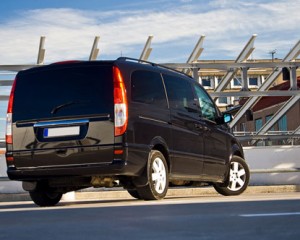
Many people do have a car, truck or motorbike, and they use this to get about to work and other places. Having a vehicle can be very useful when you want to have freedom and not be restricted by time constraints of other methods of transport.
Using public transport
There are many forms of public transport, and these include, buses trains, taxis, subways, etc. Depending on the reliability of these means of transportation one can use them on a daily basis. In many countries trains have come to be very popular as they circumvent any traffic congestion and in most cases are on time.
In Asia, for example, we see trains that connect countries like the KTM that regularly runs between Singapore and Malaysia. It is used by hundreds if not thousands of passenger every day. It has come to be one of the safest, fastest and cheapest means of transport. If you want to get from Singapore to Kuala Lumpur, taking the train will give you an experience unlike any other. If you are traveling for business, you will be able to complete any last minute notes in comfort as there are different classes of seats. And you will not have to deal with the bouncing or ruggedness of a bus.
Who can use trains?
 Trains can be utilized by anyone who wishes to get to their destination without having to drive or get stuck in traffic. Many people who are also on their holidays prefer to use trains as they provide more space for bags and also allow passengers to view great sceneries.
Conclusion
While you can choose whichever method of transport you want to use, trains are definitely here to stay. They have consistently broken speed barriers and technology is cutting the times needs to travel between destinations. They are also more efficient as they transport more people in one single trip.

 America is an English-speaking country, but that doesn’t mean everyone speaks the same dialect. There are regional variations in the language that can be confusing for outsiders. For example, people in the South tend to speak with a drawl and use different words than people in the Northeast.
 America is a melting pot of cultures, so it’s essential to respect the people you meet while traveling. There are many different customs and traditions that you may not be familiar with. If you’re unsure about something, it’s always best to ask.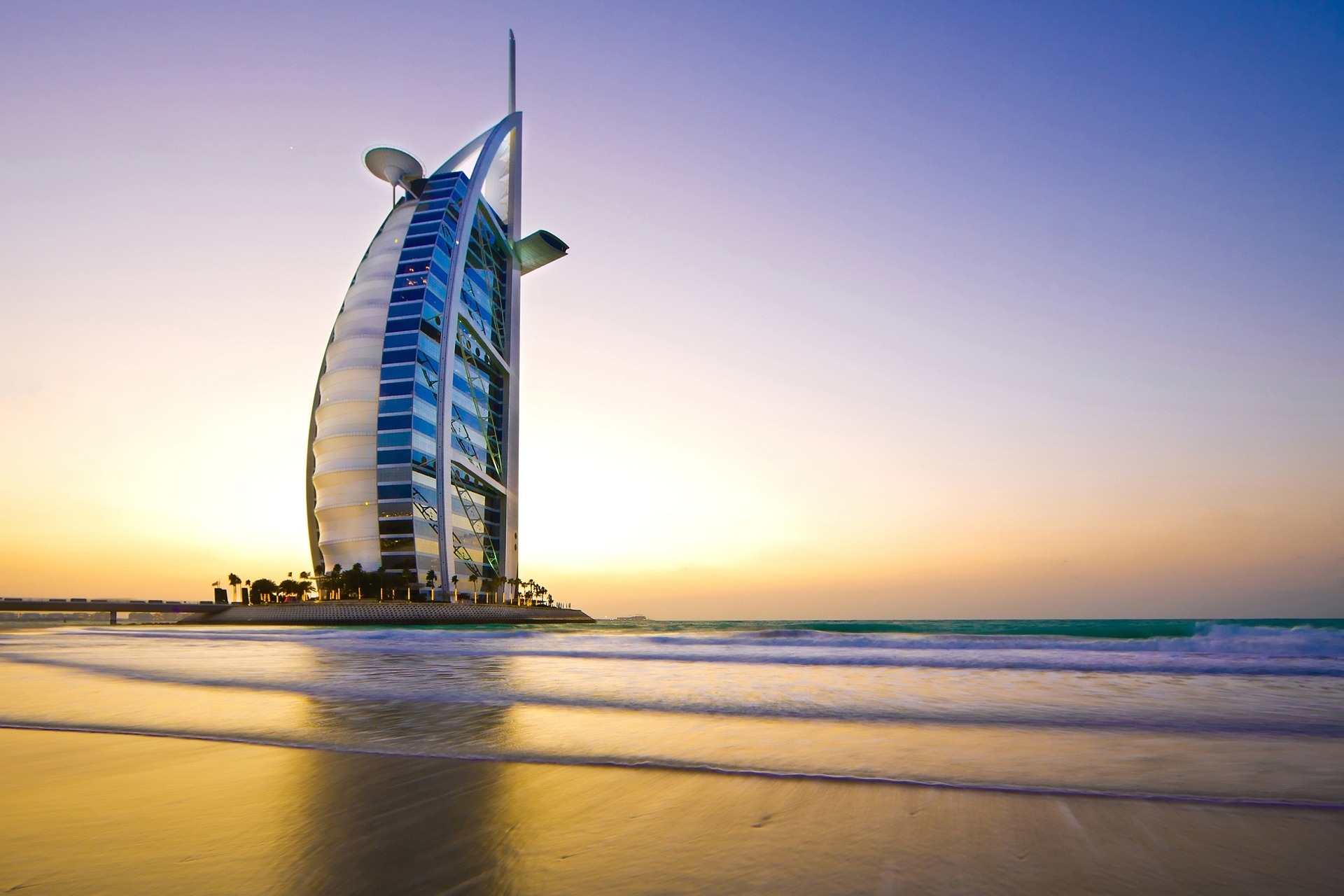
 As you step foot in Dubai, one of the first things that will strike you is its well-planned infrastructure and excellent road network. To truly unlock the city’s treasures, renting a car is an absolute must. Not only does it provide convenience and flexibility, but it also allows you to explore at your own pace. With numerous reputable car rental companies available, finding a vehicle that suits your needs and preferences won’t be a challenge. From sleek sedans to spacious SUVs, there’s something for everyone. Plus, with competitive pricing options, renting a car doesn’t have to break the bank.
 Dubai is a melting pot of cultures, and this diversity is beautifully reflected in its culinary scene. From traditional Emirati dishes to international flavors from around the globe, Dubai has something to satisfy every taste bud. Start your gastronomic adventure by sampling authentic Emirati cuisine. Delight in the rich flavors of dishes like machbous (spiced rice with meat), here’s (a creamy wheat porridge), or maqamat (sweet dumplings). These local delicacies will give you a true taste of the region’s heritage. For those craving international fare, Dubai offers an array of world-class restaurants helmed by renowned chefs.
 Dubai is not only famous for its towering skyscrapers and luxurious shopping malls, but it also knows how to party when the sun goes down. The city has a vibrant and diverse nightlife scene that caters to all tastes and preferences. One of the must-visit spots in Dubai’s nightlife is Jumeirah Beach Residence (JBR). Here, you can find a plethora of trendy bars, clubs, and lounges that offer everything from live music to DJ sets. Enjoy your favorite drink while soaking up the breathtaking views of the Arabian Gulf. If you’re looking for something more upscale, head over to the iconic Burj Al Arab.
 Nothing is disappointing like being arrested and deported from a foreign country because your travel documents have a problem. Unfortunately, most people either did not get a vaccination, do not qualify for a visa or extends their visa stay. With all documents valid, one will be sure to enjoy their holiday from the beginning to the end. Therefore, avoid extending the stay without extension authorization or acquiring the relevant, valid documents.
 Fishing – it has always been one of the best ways to enjoy a holiday. You can do deep sea fishing using reputable fishing companies.