CAH News Network Travel Interesting Facts to Know Before Visiting the Grand Canyon

Interesting Facts to Know Before Visiting the Grand Canyon

Are you planning a trip to the Grand Canyon? Whether it’s your first time or tenth, there are always new and exciting things to discover about this natural wonder. Before you pack your bags and hit the road, take a moment to read through these interesting facts that will give you a deeper appreciation for the sheer magnitude and complexity of this geological masterpiece. If it’s your first time going there, consider checking the grand canyon tours from las vegas. Here, we will talk about the interesting facts about the Grand Canyon.

Grand Canyon Has Numerous Hidden Caves
cave The Grand Canyon is mostly known for its breathtaking views and awe-inspiring landscapes, but did you know it’s also home to numerous hidden caves? These underground caverns are scattered throughout the canyon, tucked away in remote corners and waiting to be discovered. Many of these caves were formed millions of years ago by the same geological forces that created the Grand Canyon itself. Over time, water and wind eroded the soft rock formations, leaving behind a network of tunnels and chambers beneath the surface. While some of these caves are easily accessible to hikers and explorers, others require specialized equipment or advanced skills to navigate safely. Some even contain ancient artifacts left behind by early human inhabitants or evidence of prehistoric animals that once roamed the region.

Grand Canyon Temperatures Vary in Different Rims

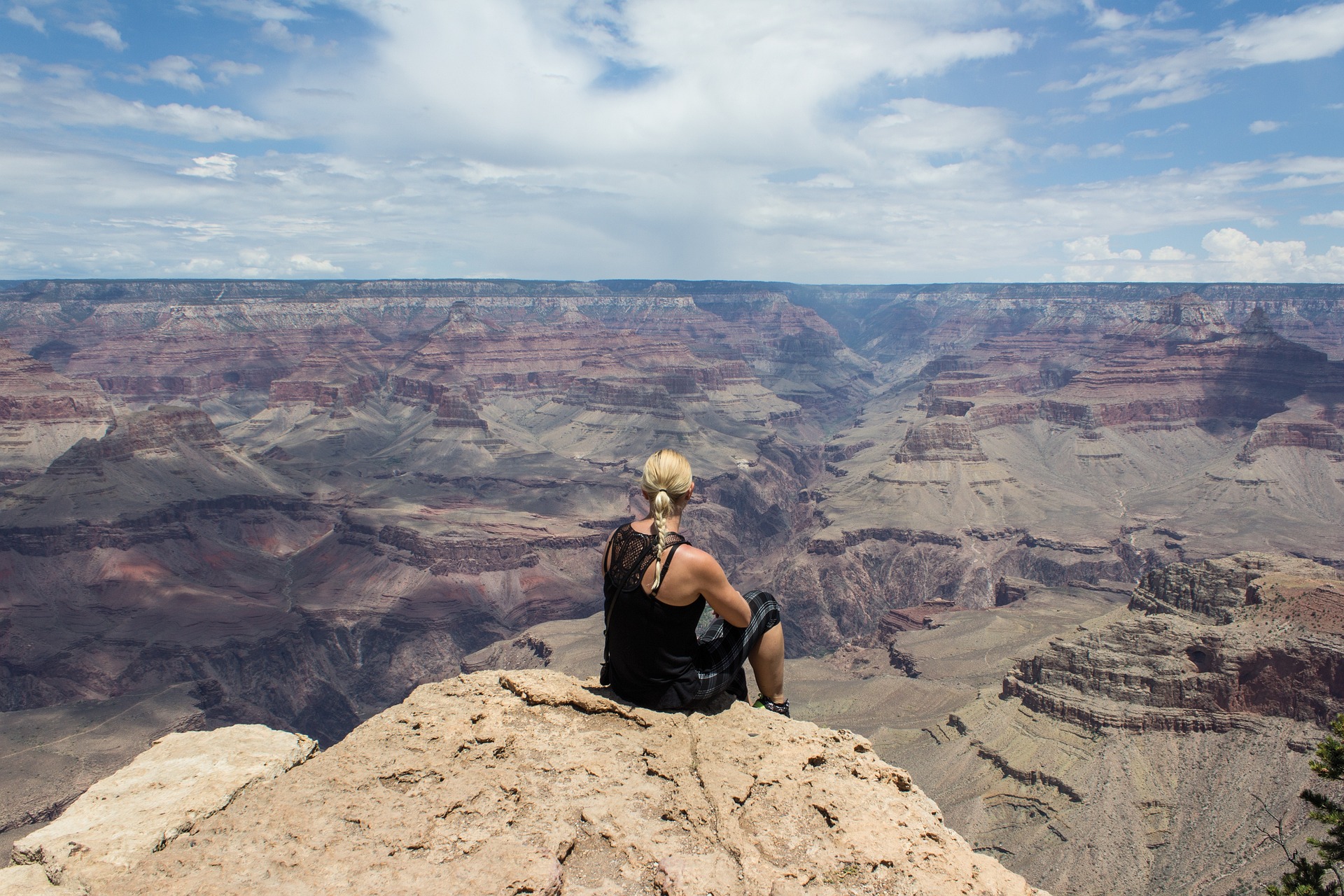
mountainAn interesting fact about the Grand Canyon is that temperatures can vary greatly depending on which rim you are visiting. The South Rim, which is more accessible and receives more visitors, has a milder climate throughout the year, with average temperatures ranging from 20-60 degrees Fahrenheit in winter and 60-80 degrees Fahrenheit in summer. On the other hand, the North Rim experiences colder temperatures due to its higher elevation of over 8,000 feet above sea level. Its average temperature during winter ranges from -5 to 25 degrees Fahrenheit, while in summer, it ranges from 50-75 degrees Fahrenheit. If you plan on hiking or camping within the park, it’s essential to check weather conditions for your specific location, as they can change rapidly. Packing accordingly with warm clothing layers and plenty of water regardless of which rim you visit is also important.

Grand Canyon Was Carved Millions of Years Ago
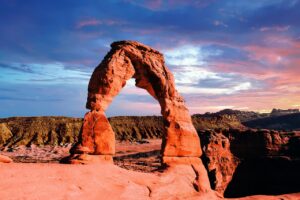
rockThe Grand Canyon is known to be one of the most beautiful and inspiring natural wonders in the world. But did you know that it was carved millions of years ago? Yes, you read that right! The Grand Canyon has been around for a very long time. It all started around 6 million years ago when the Colorado River began to carve its way through rock layers. Over time, this slow but steady process created what we now know as the Grand Canyon. But how exactly did this happen? It’s all thanks to something called erosion. Erosion happens when wind, water, or ice wear away at the earth’s surface over time. In the case of the Grand Canyon, it was mostly water doing the work.

The Grand Canyon is truly a remarkable natural wonder that continues to capture the hearts and imaginations of millions of people worldwide. With its hidden caves, rich history, diverse wildlife, and breathtaking views, it’s no wonder why this geological masterpiece remains one of America’s most iconic attractions. Most importantly, don’t forget to take time to stand in awe and appreciate the beauty before you simply. Whether it’s hiking along one of its many trails or simply taking in panoramic views from an observation point with loved ones by your side – allow yourself to be fully immersed in the magic that is the Grand Canyon.

Related Post

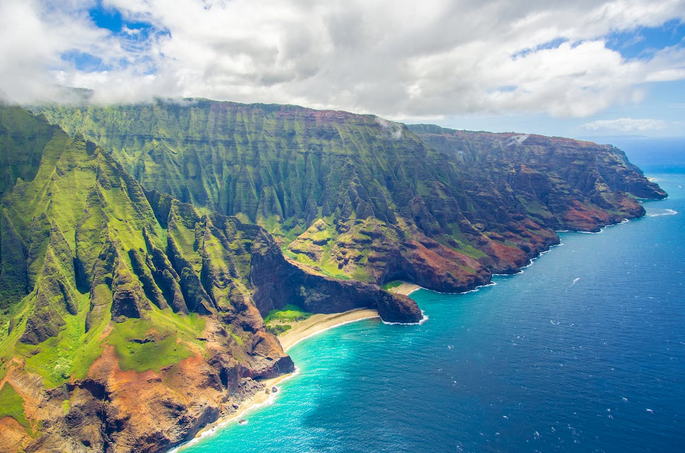
hawaii

Why Hawaii Attracts More Tourists Than Most CountriesWhy Hawaii Attracts More Tourists Than Most Countries

As one of the most popular tourist destinations in the world, Hawaii attracts millions of visitors each year. Despite being a relatively small group of islands in the Pacific Ocean, Hawaii’s popularity as a tourist destination surpasses that of many countries. So, what about Hawaii makes it so appealing to tourists? This blog post will explore why Hawaii attracts more tourists than most countries.

Natural Beauty and Unique Geography

One of the most obvious reasons Hawaii is such a popular destination is its natural beauty. The islands’ unique geography, including towering volcanoes, lush rainforests, and pristine beaches, creates a stunning landscape unmatched worldwide. Hawaii’s clear blue waters and vibrant marine life make it a dream destination for scuba diving, snorkeling, and other water activities.

Warm and Welcoming People

Hawaii is known for its warm and welcoming people, eager to share their culture and traditions with visitors. The spirit of aloha, which means love, compassion, and peace, is evident in how locals treat visitors. This welcoming atmosphere makes Hawaii a friendly and inviting destination for travelers from all over the world. The Hawaii style of hospitality is unmatched anywhere else in the world.

Rich Culture and History

Hawaii’s rich culture and history are another major draw for tourists. The state’s unique blend of Polynesian, Asian, and American influences creates a fascinating mix of traditions and customs that visitors can experience firsthand. From hula dancing to traditional Hawaiian feasts, there are many ways for visitors to immerse themselves in the local culture.

World-Class Accommodations and Amenities

villa

Hawaii has some of the best accommodations and amenities in the world, making it a comfortable and convenient place to vacation. Visitors can choose from various hotels, resorts, and vacation rentals, many of which offer luxurious amenities such as spas, golf courses, and fine-dining restaurants. Hawaii’s airports and transportation systems are also top-notch, making it easy for visitors to get around and explore the islands.

Outdoor Activities and Adventure

Hawaii is a playground for outdoor enthusiasts, with an endless array of activities and adventures to choose from. Visitors can hike to the top of a volcano, take a helicopter tour of the islands, go surfing, or relax on the beach. The islands’ natural beauty and diverse geography make it possible to experience various activities in a single vacation.

In conclusion, Hawaii’s popularity as a tourist destination is due to its natural beauty, rich culture, and history, world-class accommodations and amenities, outdoor activities and adventure, and warm and welcoming people. Whether you’re looking to relax on the beach or explore the islands’ natural wonders, Hawaii offers something for everyone. With its breathtaking scenery, unique culture, and endless opportunities for adventure, it’s no wonder that Hawaii attracts more tourists than most countries.

man

Mountain Hunting Adventures: Pursuing Game in Challenging TerrainMountain Hunting Adventures: Pursuing Game in Challenging Terrain

Mountain hunting, often referred to as “high-country hunting,” is an exhilarating and physically demanding pursuit that takes hunters into some of the world’s most rugged and remote landscapes. The allure of chasing game in the mountains lies not only in the challenge but also in the breathtaking scenery and the opportunity to harvest elusive species. Some hunters use recurve bows, compound bows, or muzzleloaders to make the adventure even more challenging. Others prefer rifles for their long-range capabilities and accuracy. In this article, we’ll explore the world of mountain hunting, the unique challenges it presents, and the rewards it offers to adventurous hunters.

people

The Call of the Mountains

Mountain hunting is an age-old tradition deeply rooted in the hunting culture. Whether you’re pursuing bighorn sheep in the Rocky Mountains, ibex in the Caucasus, or chamois in the Alps, mountain hunts offer a unique set of challenges that set them apart from other forms of hunting. Here are some key aspects of mountain hunting:

  • Physical Demands: Perhaps the most defining characteristic of mountain hunting is the physical rigor it demands. Hunters must be in excellent shape, as they often traverse steep and treacherous terrain, climbing thousands of feet in elevation.
  • Altitude and Weather: High-altitude hunting can pose risks such as altitude sickness, and hunters must be prepared for rapidly changing weather conditions, including extreme cold and storms.
  • Spot-and-Stalk Tactics: Mountain hunting often involves spot-and-stalk tactics, requiring hunters to glass for the game from vantage points and then close the distance on foot.
  • Remote Locations: Mountain hunts frequently take place in remote areas far from civilization. This isolation adds to the adventure but also requires careful planning and self-sufficiency.
  • Adaptation to the Terrain: To be successful, hunters must adapt to the unique behaviors and habitat preferences of mountain game species. Understanding the game’s movements and habits is crucial.

The Rewards of Mountain Hunting

While mountain hunting presents substantial challenges, it also offers a range of rewards that keep hunters coming back for more:

  • Incredible Scenery: The breathtaking vistas and rugged landscapes of the mountains provide a backdrop for unforgettable hunting experiences. The beauty of the mountains alone is worth the journey.
  • Hunting Unique Species: Many mountain hunts target species that are adapted to high-altitude environments and are found nowhere else. These species, like bighorn sheep or Himalayan tahr, are highly coveted by hunters.
  • Test of Skill and Endurance: Mountain hunting pushes hunters to their physical and mental limits, testing their skills, resolve, and adaptability.
  • Low Hunting Pressure: Remote mountain locations often have lower hunting pressure, increasing the chances of encountering mature game.
  • Conservation: Responsible mountain hunting contributes to conservation efforts by providing funding for habitat protection, anti-poaching programs, and wildlife management.

hunter

Safety and Preparation

Mountain hunting is an inherently risky activity, and proper preparation is crucial for a safe and successful hunt. Here are some important considerations:

  • Physical Fitness: Hunters must be in excellent physical shape to tackle the challenges of mountain hunts. A training regimen should include cardiovascular exercises, strength training, and endurance work.
  • Acclimatization: High-altitude hunting can pose health risks, so hunters must take the time to acclimate to the altitude. Planning for extra days in base camp or a gradual ascent can help prevent altitude sickness.
  • Adequate Gear: Proper gear is essential for staying comfortable and safe in mountain environments. This includes high-quality hiking boots, layers of clothing, rain gear, and cold-weather gear.
  • Navigation and Communication: Mountain hunts can quickly become disorienting, so it’s essential to have proper navigation tools and a reliable means of communication in case of emergencies.
  • Hiring a Guide: For inexperienced or unfamiliar hunters, hiring a guide familiar with the terrain and game behavior can greatly increase safety and success rates.

In Conclusion

Mountain hunting is not for the faint of heart, but for those who are up to the challenge, it offers some of the most rewarding and unforgettable hunting experiences. The mountains beckon, and the call of the wild echoes through the valleys, inviting intrepid hunters to pursue their passion in some of the world’s most awe-inspiring landscapes.

hotel

Why Boutique Hotels Are the Best Choice for Your Next Trip to KenyaWhy Boutique Hotels Are the Best Choice for Your Next Trip to Kenya

Are you dreaming of a getaway that feels more like an adventure and less like a checklist? If Kenya is on your radar, consider the charm of boutique hotels. These unique havens offer something beyond just a place to rest your head. Picture personalized service that caters to your every whim, stunning designs that reflect local culture, and locations that invite tranquility amid nature’s splendor. Whether you’re seeking luxury or authenticity, boutique hotels provide an experience as rich as the landscapes around them. Let’s explore why these Hotels in Kenya are the perfect choice for your next journey.

Unique and Authentic Design

Boutique hotels in Kenya often showcase a design that reflects the rich tapestry of local culture. Each space tells a story, merging traditional craftsmanship with contemporary flair. You’ll find rooms adorned with handmade textiles and locally sourced art. This authenticity creates an immersive experience, allowing guests to connect deeply with their surroundings. From earthy tones to vibrant patterns, every detail enhances your stay. Architectural styles vary widely from property to property, offering an array of atmospheres—from rustic charm in rural lodges to sleek modernity in urban settings. These unique designs aren’t just for aesthetics; they invite you into the heart of Kenyan heritage.

Personalized Service and Exclusive Experience

check in

When you choose a boutique hotel in Kenya, you’re stepping into a world where service is tailored just for you. The staff often knows your name before you even check-in. They remember your preferences and anticipate your needs, creating an ambiance that feels like home. Imagine waking up to fresh coffee brewed just the way you like it, delivered with a smile. Breakfast could be prepared using local ingredients from nearby markets, making every meal feel special. These hotels pride themselves on exclusivity. With fewer rooms than larger chains, there’s more attention to detail and less crowding. You can expect personalized recommendations for adventures off the beaten path or hidden gems only locals know about.

Prime Locations With Serenity

Boutique hotels in Kenya offer an escape from the hustle and bustle of everyday life. Nestled in stunning landscapes, they bring you closer to nature without sacrificing comfort. Imagine waking up surrounded by lush greenery, or overlooking a serene coastline. Each hotel provides access to breathtaking views often steps away from your door. These properties are located near cultural hotspots, wildlife reserves, and pristine beaches. During the day, you can explore vibrant local markets and retreat to your peaceful sanctuary at night. The charm lies not only in their locations but also in how these settings enhance your experience. The tranquility allows for reflection and rejuvenation—perfect after a day of adventure. Here, serenity isn’t just a word; it’s woven into every aspect of your stay.

Luxury With a Hint of Local Culture

design

Boutique hotels in Kenya offer a remarkable fusion of luxury and local culture. Each property is creatively designed to reflect the rich heritage of its surroundings. Every detail tells a story from intricate Maasai beadwork adorning the walls to contemporary art showcasing talented local artists. These spaces are not only places to stay; they are immersive experiences that connect guests to the heart of Kenyan life. Dining options often feature traditional dishes made from locally sourced ingredients. Here, you can savor flavors that embody authenticity while enjoying gourmet twists on beloved classics. Moreover, many boutique hotels organize cultural activities like guided village tours or artisan workshops. This allows travelers to engage with communities and learn about age-old traditions firsthand.

Sustainable and Eco-Friendly Stays

Kenya’s boutique hotels are increasingly committed to sustainability. Many of them incorporate eco-friendly practices that minimize their environmental impact. These establishments lead the way in green innovation from solar energy to rainwater harvesting. You might find rooms designed with reclaimed materials and local artisanship, adding a touch of authenticity while being kind to the planet.

Guests often benefit from organic meals prepared with locally sourced ingredients. This not only supports the community but also enhances your culinary experience. Staying in an eco-conscious hotel allows you to connect deeply with nature. You’ll likely wake up to bird songs rather than traffic noise, creating a serene atmosphere for relaxation and reflection.