CAH News Network Travel Helpful Tips for Safe Travel in South Africa

Helpful Tips for Safe Travel in South Africa

South Africa is a beautiful and diverse country with plenty to offer tourists. From going for a safari in Kruger National Park to enjoying the beauty of Cape Town, South Africa is indeed a paradise. However, as with any foreign country, there are some things that you need to be aware of to stay safe and avoid being scammed. Today’s post will highlight some helpful tips for safe travel in South Africa. Keep these tips in mind when planning your trip, and you’ll be able to enjoy your time in South Africa without worrying about safety or being scammed.

Know Where Not to Go
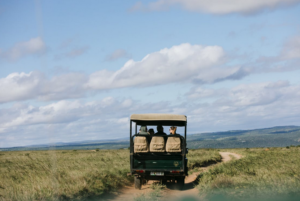
adventuresOne of the most essential safety tips for South African travel is to know which areas to avoid. While the country has a lot to offer, some areas are best avoided, especially if you’re a tourist.

Some places you should avoid include Hillbrow in Johannesburg, Manenberg in Cape Town, and any townships in general. It’s also a good idea to avoid walking around alone at night, even in well-lit areas. If you must walk somewhere at night, try to go with a group of people.

Stay Away From a ‘Friendly’ Stranger

While it’s always lovely to meet new people when you’re traveling, you should be careful about who you talk to and how much information you share. If someone approaches you and offers to be your tour guide or show you around, politely decline. It’s best to stick to tours that are run by reputable companies. If someone does approach you and you feel unsafe, don’t hesitate to walk away or call for help. Similarly, be careful about sharing too much information with people you meet. It’s best not to share your travel plans or where you’re staying with anyone except close family or friends.

Never Flash Your Valuables

Since South Africa is a popular tourist destination, many people will try to take advantage of tourists. One way they do this is by pickpocketing. To avoid this, you should never flash your valuables around in public. Do so discreetly if you need to take out your camera or phone. Keeping your money in a money belt or hidden away in a secure pocket is also a good idea. Even if you’re in a hotel, keeping your valuables in a safe or locked up is best.

Pick Your Adventure Wisely
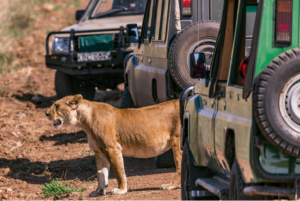
wild animalsYou can do many different adventure activities in South Africa, from safaris to bungee jumping. While these can all be great experiences, it’s essential to make sure you pick a reputable company. Do some research ahead of time and read reviews. Suppose something sounds too good to be true or is significantly cheaper than other options.

In that case, it’s probably best to avoid it. When you’re booking an adventure activity, make sure you understand what’s included and what the risks are. For example, if you’re going on a safari, find out if there are any areas you should avoid or animals that might pose a threat.

Remember to stay safe and be aware of your surroundings when traveling in South Africa. If you have any other tips to share, please leave a comment below. One final tip we would like to share is to trust your gut instinct. If something doesn’t feel right, it probably isn’t. Safe travels, folks.


Leave a Reply

Your email address will not be published. Required fields are marked *

Related Post

underwear

Tips on Finding Travel UnderwearTips on Finding Travel Underwear

It’s a fact that the underwear you choose can make or break your trip. It’s because of changing your underwear if you feel uncomfortable, has to wait until you return to your room. You can look at travel underwears worth considering. Although choosing travel underwear for a big trip can be overwhelming at first, ensuring you do it smartly can lessen preventable stress during the trip.

Travel underwear

Consider the Washability of the Underwearunderwear

This tends to affect a traveler who focuses on lightweight travel. Most of these travelers would like to have their backpack weight as low as possible. As such, they are likely to carry two to three pairs of underwear.

Although you can wash them daily, ensure that the underwear you choose can be washed easily while in you, take a bath, and you can use a simple body wash gel to complete the task.

Buy Fast Drying Underwear

It can be frustrating if you will be late for dinner, business deal, or an important catch-up just because your underwear isn’t dry, and you need to wait a little longer. Also, keep in mind that a significant number of the specialized travel underwear cannot be dried in a dryer because they will shrink. Choose underwear that dries a few hours after you hang them.

Ensure the Underwear Has an Anti-odor Properties

You will agree that this is the best property that most manufacturers include in their manufacturing procedures. In fact, this is a fundamental aspect of any reliable travel underwear. Buy underwear that doesn’t smell after using it for a day or two. This will work best for many individuals.

Consider Having Lightweight, Comfortable and Breathable Underwear

You are likely to sweat more during some of these trips. Travel underwear with the above properties will help reduce sweating, and will effectively cool you off as you walk or bike. Travel underwear that breathes well is defined by not only how well it keeps the wearer warm, but also how effective it locks in the heat. Many big names tend to have these properties.

Consider Those witclothingh Moisture Wicking Properties

While walking around, whether male or female, no one wants to have those sweaty bits. This technology in your underwear is intended to pull moisture completely from your skin so you can remain dry for longer periods of time.

Check the Sturdiness of the Underwear

It does not matter how quality or expensive the underwear you decide to buy is. What is important is how sturdy it is and how it feels once you wear it. Ensure your choice fits you well.

Consider the Quality and Durability of the Underwear

Most travel underwear is a bit expensive. To get value for your money, it’s necessary that the underwear you purchase is of high quality and can serve you for long.

man

Mountain Hunting Adventures: Pursuing Game in Challenging TerrainMountain Hunting Adventures: Pursuing Game in Challenging Terrain

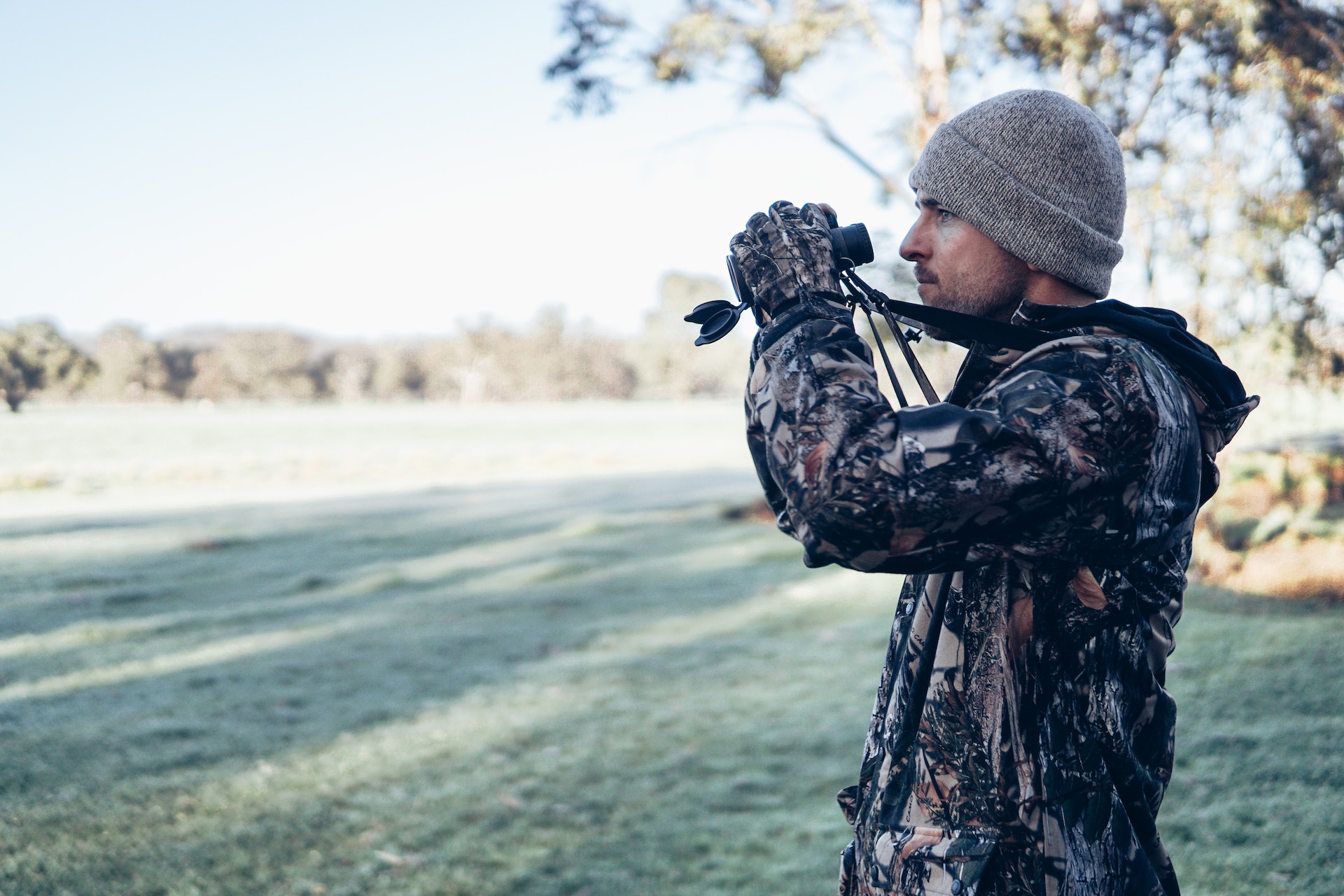
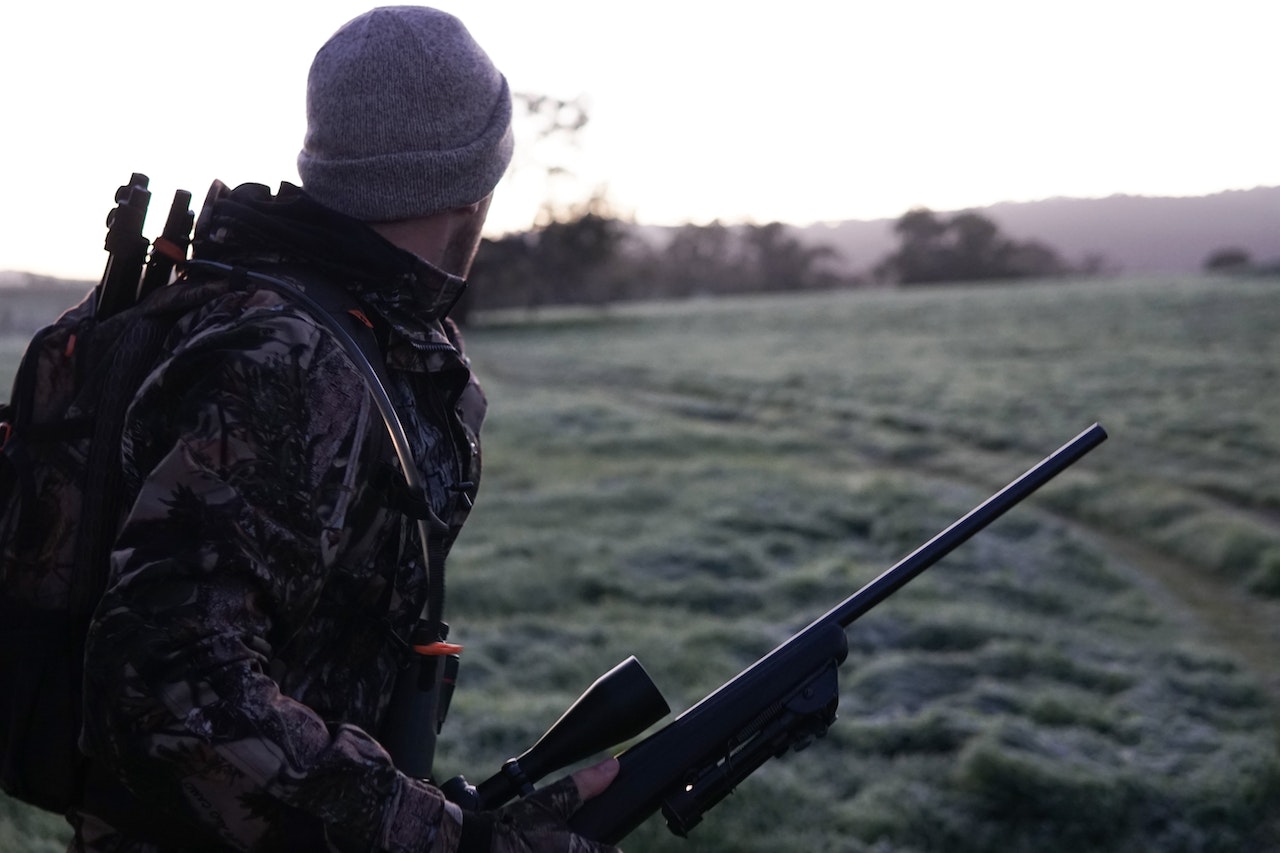
Mountain hunting, often referred to as “high-country hunting,” is an exhilarating and physically demanding pursuit that takes hunters into some of the world’s most rugged and remote landscapes. The allure of chasing game in the mountains lies not only in the challenge but also in the breathtaking scenery and the opportunity to harvest elusive species. Some hunters use recurve bows, compound bows, or muzzleloaders to make the adventure even more challenging. Others prefer rifles for their long-range capabilities and accuracy. In this article, we’ll explore the world of mountain hunting, the unique challenges it presents, and the rewards it offers to adventurous hunters.

people

The Call of the Mountains

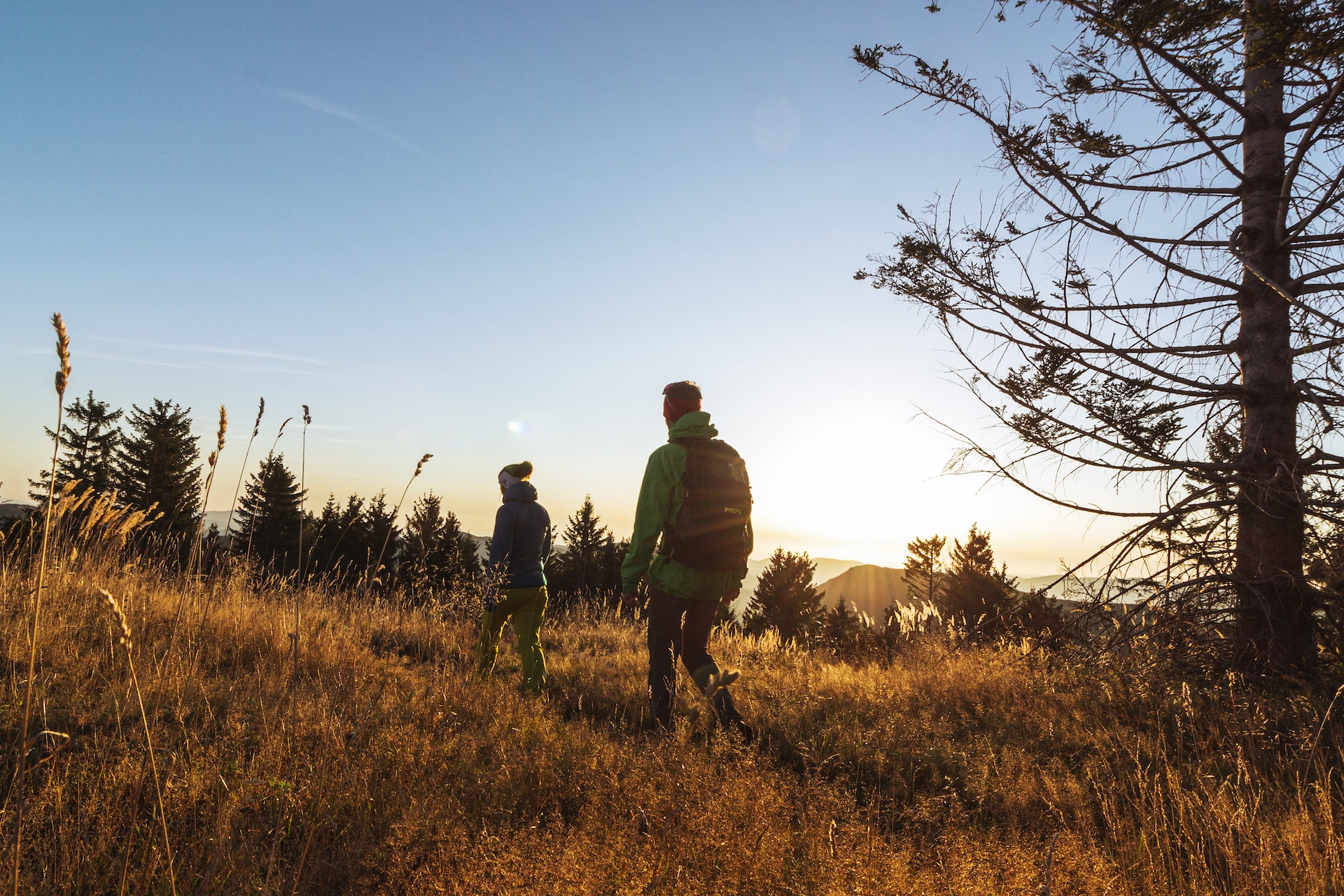
Mountain hunting is an age-old tradition deeply rooted in the hunting culture. Whether you’re pursuing bighorn sheep in the Rocky Mountains, ibex in the Caucasus, or chamois in the Alps, mountain hunts offer a unique set of challenges that set them apart from other forms of hunting. Here are some key aspects of mountain hunting:

  • Physical Demands: Perhaps the most defining characteristic of mountain hunting is the physical rigor it demands. Hunters must be in excellent shape, as they often traverse steep and treacherous terrain, climbing thousands of feet in elevation.
  • Altitude and Weather: High-altitude hunting can pose risks such as altitude sickness, and hunters must be prepared for rapidly changing weather conditions, including extreme cold and storms.
  • Spot-and-Stalk Tactics: Mountain hunting often involves spot-and-stalk tactics, requiring hunters to glass for the game from vantage points and then close the distance on foot.
  • Remote Locations: Mountain hunts frequently take place in remote areas far from civilization. This isolation adds to the adventure but also requires careful planning and self-sufficiency.
  • Adaptation to the Terrain: To be successful, hunters must adapt to the unique behaviors and habitat preferences of mountain game species. Understanding the game’s movements and habits is crucial.

The Rewards of Mountain Hunting

While mountain hunting presents substantial challenges, it also offers a range of rewards that keep hunters coming back for more:

  • Incredible Scenery: The breathtaking vistas and rugged landscapes of the mountains provide a backdrop for unforgettable hunting experiences. The beauty of the mountains alone is worth the journey.
  • Hunting Unique Species: Many mountain hunts target species that are adapted to high-altitude environments and are found nowhere else. These species, like bighorn sheep or Himalayan tahr, are highly coveted by hunters.
  • Test of Skill and Endurance: Mountain hunting pushes hunters to their physical and mental limits, testing their skills, resolve, and adaptability.
  • Low Hunting Pressure: Remote mountain locations often have lower hunting pressure, increasing the chances of encountering mature game.
  • Conservation: Responsible mountain hunting contributes to conservation efforts by providing funding for habitat protection, anti-poaching programs, and wildlife management.

hunter

Safety and Preparation

Mountain hunting is an inherently risky activity, and proper preparation is crucial for a safe and successful hunt. Here are some important considerations:

  • Physical Fitness: Hunters must be in excellent physical shape to tackle the challenges of mountain hunts. A training regimen should include cardiovascular exercises, strength training, and endurance work.
  • Acclimatization: High-altitude hunting can pose health risks, so hunters must take the time to acclimate to the altitude. Planning for extra days in base camp or a gradual ascent can help prevent altitude sickness.
  • Adequate Gear: Proper gear is essential for staying comfortable and safe in mountain environments. This includes high-quality hiking boots, layers of clothing, rain gear, and cold-weather gear.
  • Navigation and Communication: Mountain hunts can quickly become disorienting, so it’s essential to have proper navigation tools and a reliable means of communication in case of emergencies.
  • Hiring a Guide: For inexperienced or unfamiliar hunters, hiring a guide familiar with the terrain and game behavior can greatly increase safety and success rates.

In Conclusion

Mountain hunting is not for the faint of heart, but for those who are up to the challenge, it offers some of the most rewarding and unforgettable hunting experiences. The mountains beckon, and the call of the wild echoes through the valleys, inviting intrepid hunters to pursue their passion in some of the world’s most awe-inspiring landscapes.

taking photos

Why Travelers Are Spending More Time in One Destination Instead of Multiple CitiesWhy Travelers Are Spending More Time in One Destination Instead of Multiple Cities

Travel habits have changed significantly in recent years. Many travelers once focused on visiting as many cities as possible within a short period. Packed itineraries, quick sightseeing stops, and constant transportation between locations were often seen as the ideal travel experience. Today, more people are choosing slower travel styles by spending longer periods in one destination instead of moving constantly between multiple cities. This shift reflects changing priorities connected to comfort, mental well-being, budget management, and deeper cultural experiences. Travelers increasingly value meaningful experiences over rushed schedules. Understanding why longer stays in single destinations are becoming more popular helps explain how modern tourism continues evolving. For more information, visit Culturalcreatives.org.

Better Local Familiarity

Longer stays often allow visitors to experience local culture more naturally. Short trips sometimes focus mainly on famous attractions without providing much interaction with daily local life. When travelers stay longer in one place, they may discover neighborhood cafés, local markets, community events, and everyday routines that tourists often miss. This deeper connection can make travel feel more personal and meaningful. Modern travelers increasingly value authentic cultural experiences rather than only collecting tourist photos from multiple locations.

Nomad Lifestyles

Remote work has influenced modern travel patterns significantly. Many professionals now combine work responsibilities with travel experiences throughout the year. Staying longer in one destination supports stable routines that make remote work easier to manage. Frequent movement between cities may create internet issues, scheduling problems, and ongoing disruptions during work periods. Longer stays allow remote workers to balance productivity with exploration more comfortably.

A Chance to Mentally Recover

Vacations are increasingly viewed as opportunities for mental recovery instead of highly scheduled tourism experiences. Constant travel movement may sometimes create exhaustion rather than relaxation. Longer stays in one destination often support slower routines, better sleep, and reduced decision fatigue. Travelers may spend more time resting, walking, reading, or enjoying calm surroundings without pressure to maximize every hour of the trip. This slower pace has become attractive for people experiencing stress or burnout in daily life.

Reduced Expenses

Travel expenses can increase quickly when moving constantly between cities. Transportation tickets, baggage fees, and short-term accommodations often cost more than longer stays in one place. Many travelers now recognize that staying longer in a single destination can help reduce overall expenses. Long-term rentals, local transportation passes, and fewer travel bookings may create more affordable experiences. This financial flexibility has become especially important as global travel costs continue increasing.

Sustainable Travel Habits

Environmental awareness has also influenced travel decisions. Frequent flights and transportation between cities contribute to higher environmental impact. Some travelers now prefer staying longer in fewer locations to reduce excessive transportation and support more sustainable tourism habits. Longer stays may also benefit local communities because visitors spend more time supporting local businesses and services. This approach reflects growing awareness about responsible and intentional travel choices.

More travelers are spending longer periods in one destination because modern tourism priorities are shifting toward comfort, cultural connection, flexibility, and mental well-being. Slower travel allows people to reduce stress, manage costs, and experience destinations more deeply. Remote work, environmental awareness, and changing lifestyle values have all contributed to this growing trend. Travelers increasingly prefer meaningful experiences over highly rushed itineraries filled with constant transportation and crowded schedules. As travel habits continue evolving, longer stays in single destinations will likely remain popular among people seeking more balanced and fulfilling travel experiences. Modern travel is becoming less focused on speed and more focused on quality, connection, and personal comfort.